
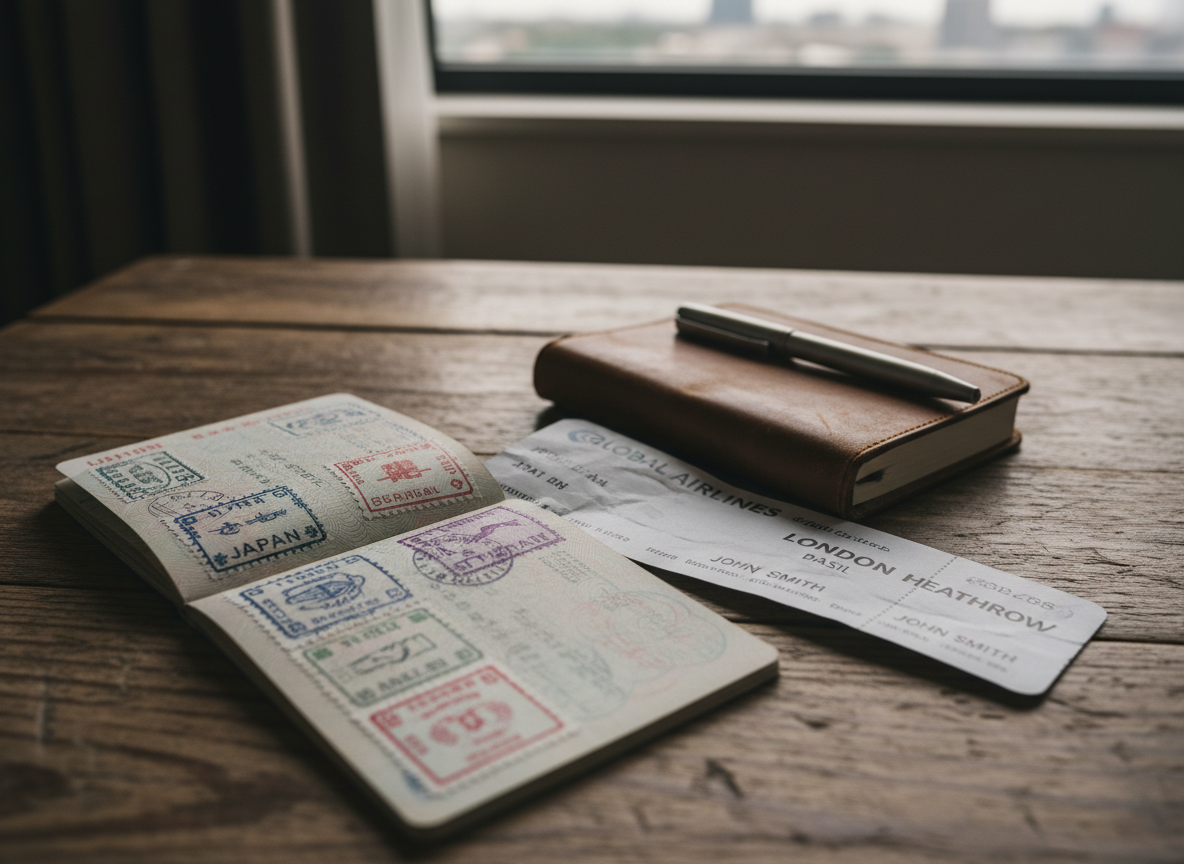
It usually starts with a grandparent’s old immigration papers, tucked away in a drawer for decades. Somebody finally scans them, runs a search, and discovers that a great-grandparent’s birthplace might actually qualify them for citizenship somewhere else entirely.
Countries like Italy, Ireland, and Poland offer citizenship by descent, sometimes going back several generations, and a growing number of Americans have started digging through family records to see if they qualify. What used to be a curiosity buried in genealogy forums has turned into a genuine, if slow-moving, paperwork project for plenty of households.
It’s Rarely About Actually Moving
Most people pursuing this aren’t planning to relocate. The appeal is more about options — the ability to live, work, or study in another country someday without a visa, or simply a documented connection to family history that would otherwise fade with each generation.
The Paperwork Is Not for the Impatient
Tracking down century-old birth, marriage, and immigration records across borders and languages can take years, not months. Consulates often have long backlogs, and a single missing document can send the whole application back to square one. It’s a genuinely slow process, and most people who start it know that going in.
Slow or not, interest keeps growing. For a lot of families, chasing down that second passport has become less about practicality and more about finally following a thread of family history all the way to the end.
Leave a Reply