
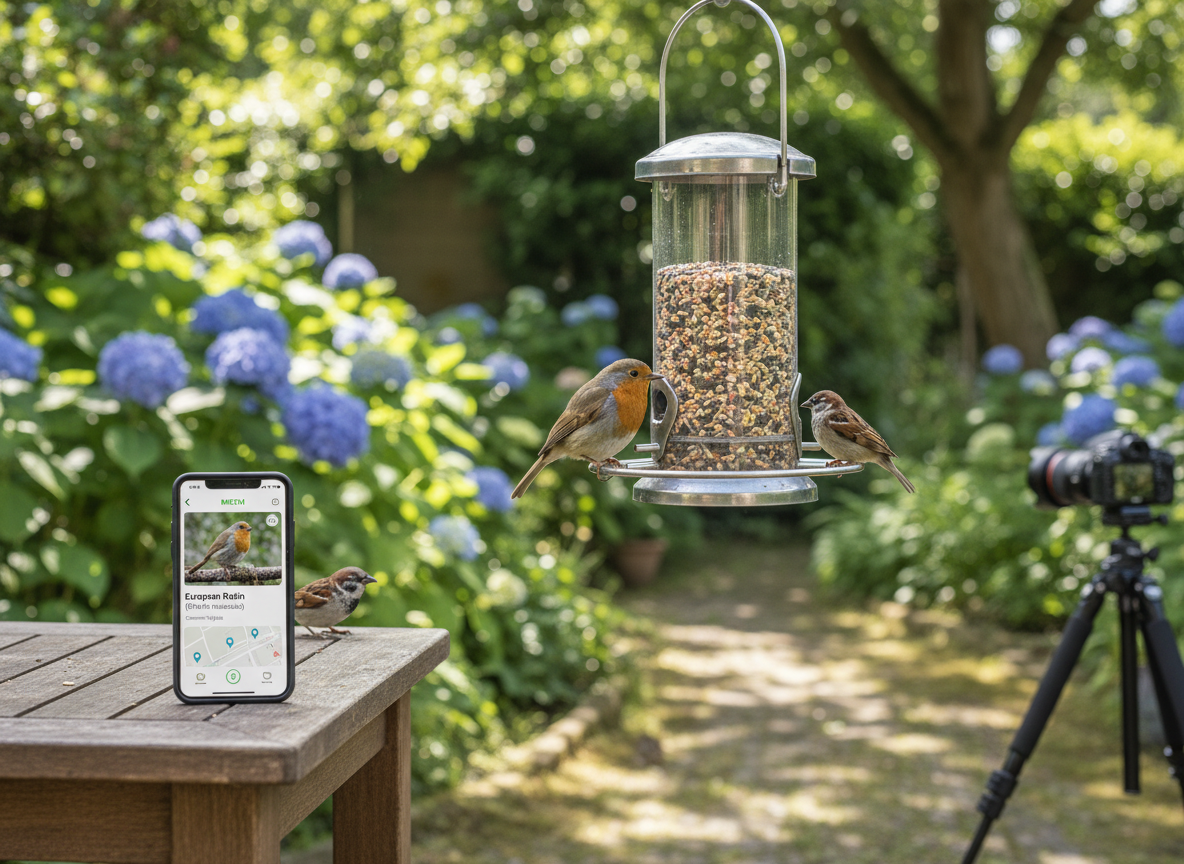
A phone propped near a bird feeder, snapping photos and logging sightings, doesn’t look like scientific work. To the researchers on the other end collecting that data, it genuinely is — a small but real contribution to studies tracking bird populations, migration patterns, and seasonal changes over time.
Citizen science projects like this have quietly grown well beyond birdwatching, into backyard weather logging, insect counts, and water quality checks — all relying on ordinary volunteers rather than paid field researchers to gather far more data than any single research team could collect alone.
Apps Made Contributing Almost Effortless
Identification apps that recognize a species from a photo have removed the biggest barrier to participating — you no longer need any expertise to contribute useful, verifiable data, just a phone and a few minutes of attention.
The Data Genuinely Gets Used
This isn’t just a feel-good hobby with no real output — a number of published research papers now cite volunteer-collected citizen science data directly, particularly for tracking changes that unfold over large areas and long timeframes that would be impractical for a small research team to cover alone.
For a lot of participants, it’s turned an existing hobby into something that feels a little more purposeful — the same walk or backyard moment, but now contributing to something larger than a personal log.
Leave a Reply