
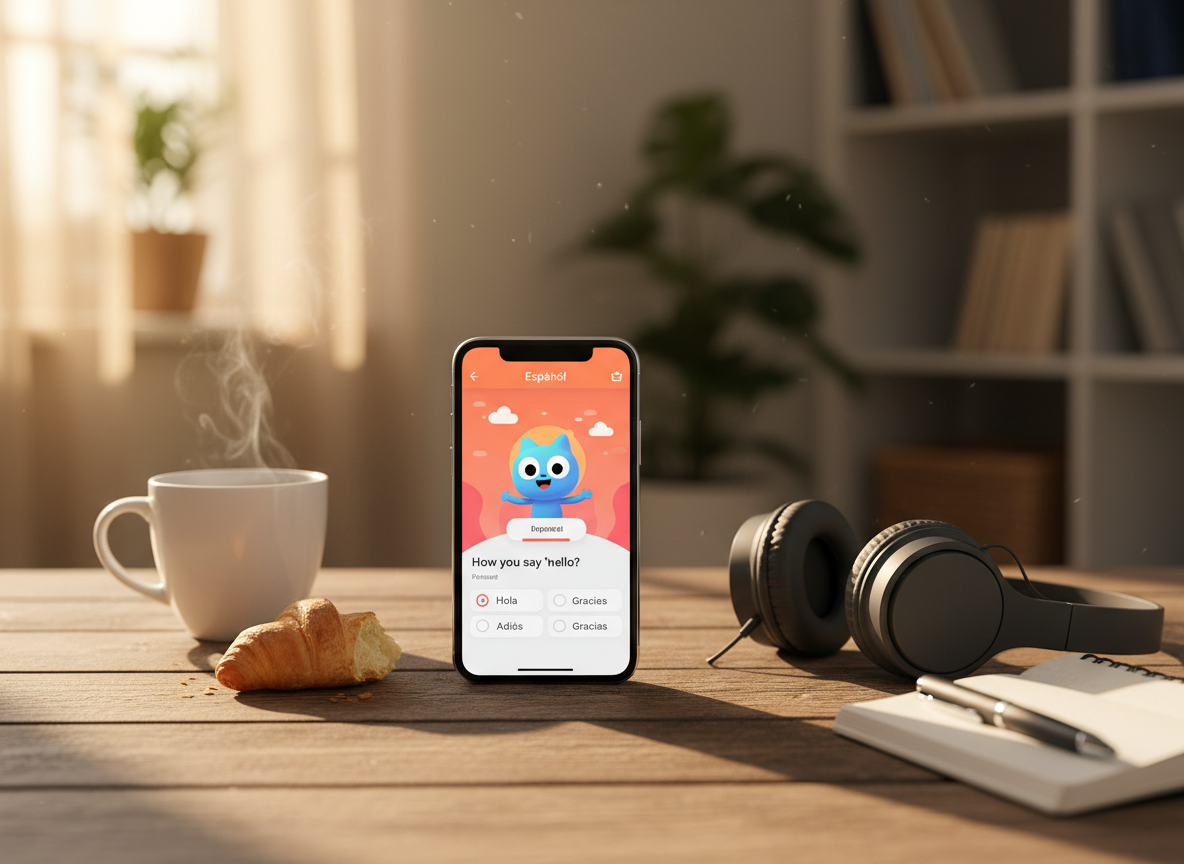
Learning a language used to mean a classroom, a textbook, and a pace set by someone else. For a lot of adults now, it means ten quiet minutes with a phone before bed, working through a lesson at whatever speed actually fits their day.
The shrinking time commitment seems to be the real reason it’s sticking where classroom courses often didn’t. A short daily habit is far easier to keep up for months than a weekly class that competes with everything else on the calendar.
Streak-Based Design Keeps People Coming Back
Daily streak counters and small reminders have turned out to be surprisingly effective at keeping adults consistent, tapping into the same not-wanting-to-break-the-chain instinct that makes other daily habit apps work.
Travel Remains the Most Common Motivation
An upcoming trip is still the single most common reason adults pick up a language app, though a fair number report sticking with it well past the trip itself once the daily habit is established.
Fluency is rarely the actual goal for most casual learners, and that’s fine — being able to order food, ask directions, or have a basic conversation is often exactly the bar people are aiming for, and ten minutes a day gets a surprising number of people there.
Leave a Reply