
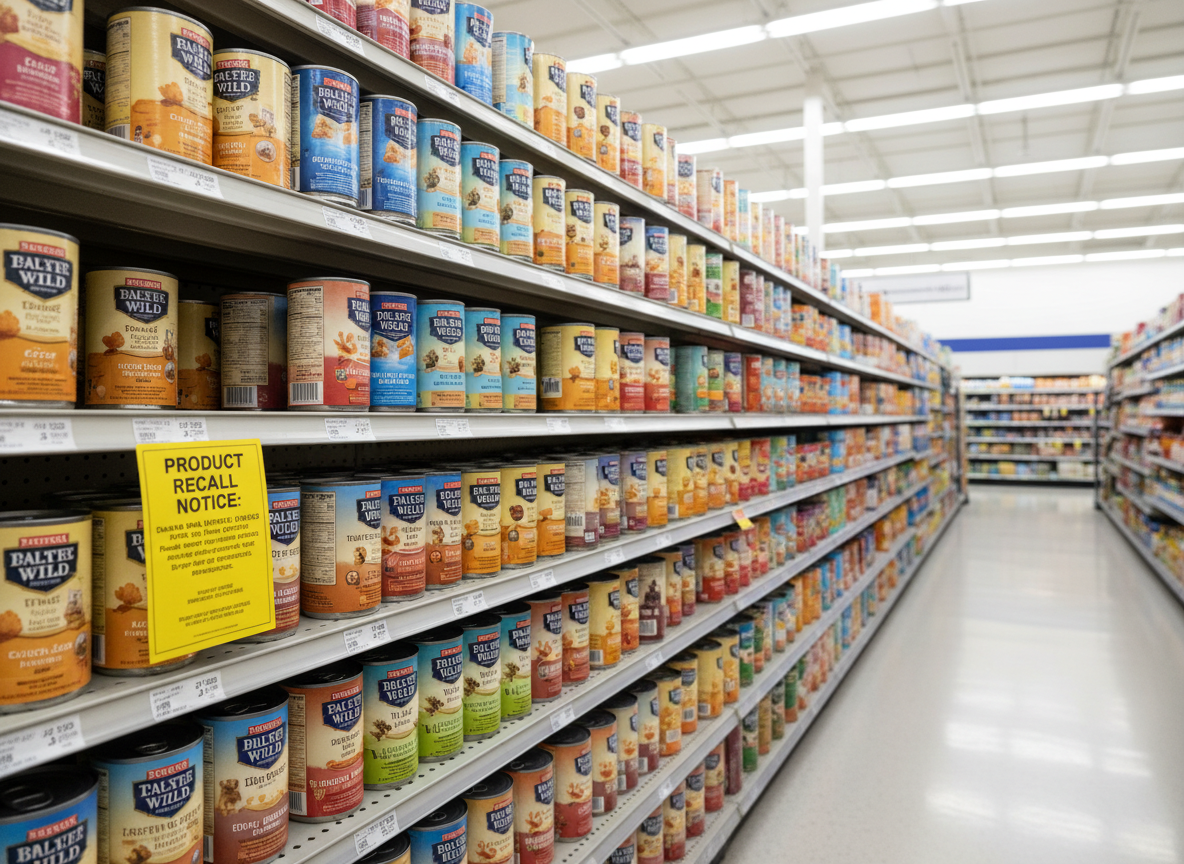
Pet food recalls rarely make front-page news, but they happen more often than most pet owners realize — a batch of canned or dry food pulled from shelves over a contamination risk, a labeling error, or in some recent cases, foreign material like metal fragments turning up during quality checks.
Most pet owners never think to check unless something seems obviously wrong with the food. By then, a pet may have already eaten several servings from an affected batch.
Lot Numbers Matter More Than the Brand Name
Recalls are almost always tied to specific lot or batch numbers, not an entire product line. That means two cans of the exact same food sitting side by side on a shelf could have completely different recall status, depending on when and where they were manufactured — which is why checking the fine print on the label matters more than the front of the package.
A Quick Habit Worth Building
The FDA maintains a public, searchable list of pet food recalls that takes less than a minute to check against a bag or can’s lot number. Making that a quick habit after any grocery run — the same way some people check for food recalls affecting their own pantry — can catch a problem before it becomes a vet visit.
If a pet shows sudden symptoms like vomiting, lethargy, or loss of appetite after a food change, checking the current bag against active recalls is a reasonable first step before assuming it’s unrelated.
Leave a Reply